bring your dog. fight anything. the world remembers.
a tiny studio is building an rpg whose worlds keep living while you're gone —
and your whole household is invited. it's multiplayer: up to four in one party, on any mix
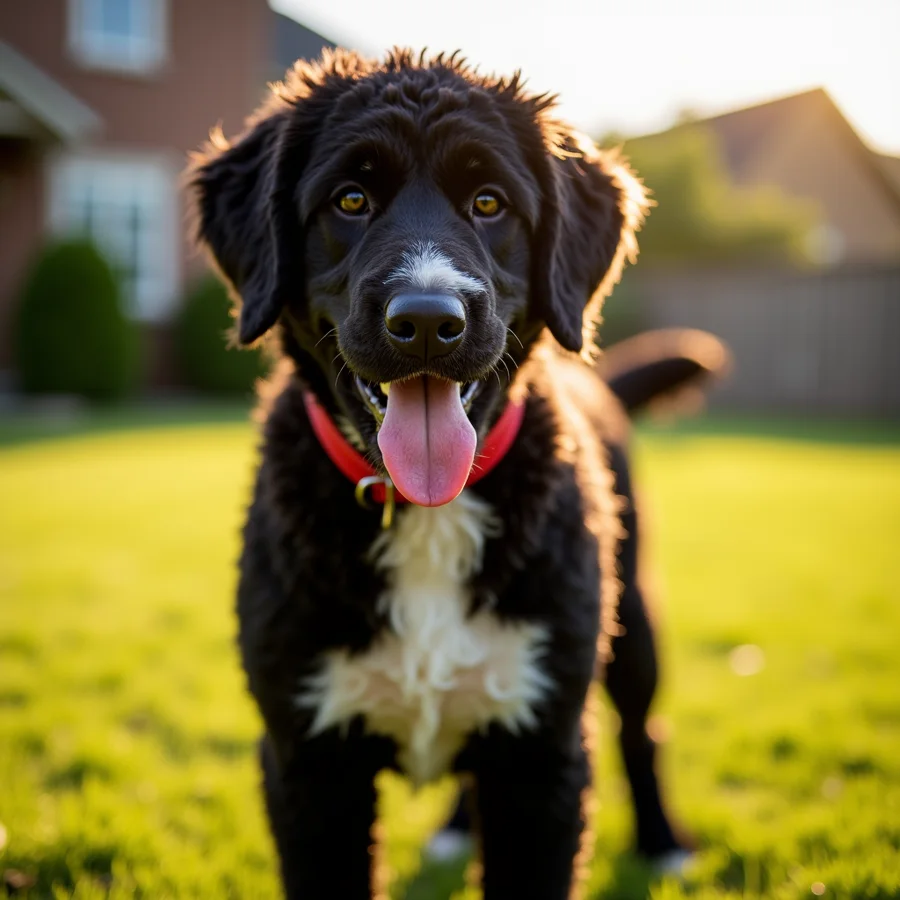
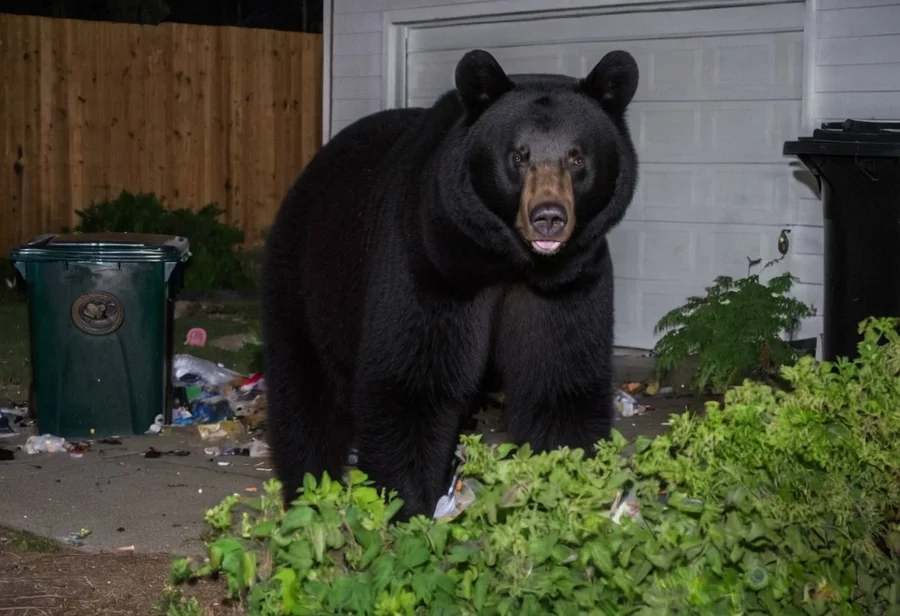
of screens. photograph your dog and they walk beside you; photograph the thing in your bins
and it gets hit points. then pick a painted style, and watch both reborn in it.
all of it runs local: the mind, the art,
the dice. no cloud AI service, no api meter, no analytics or trackers — a build test fails if
anything the browser loads reaches an outside origin. run it yourself and that machine is
yours — never a third party's. yours means yours.
the mint
photograph them. pick a style.
your dog and your bear both go in as ordinary photos. the engine reads each one — the
curls, the collar, the scars, the bins — and mints them as real entities. then you choose a
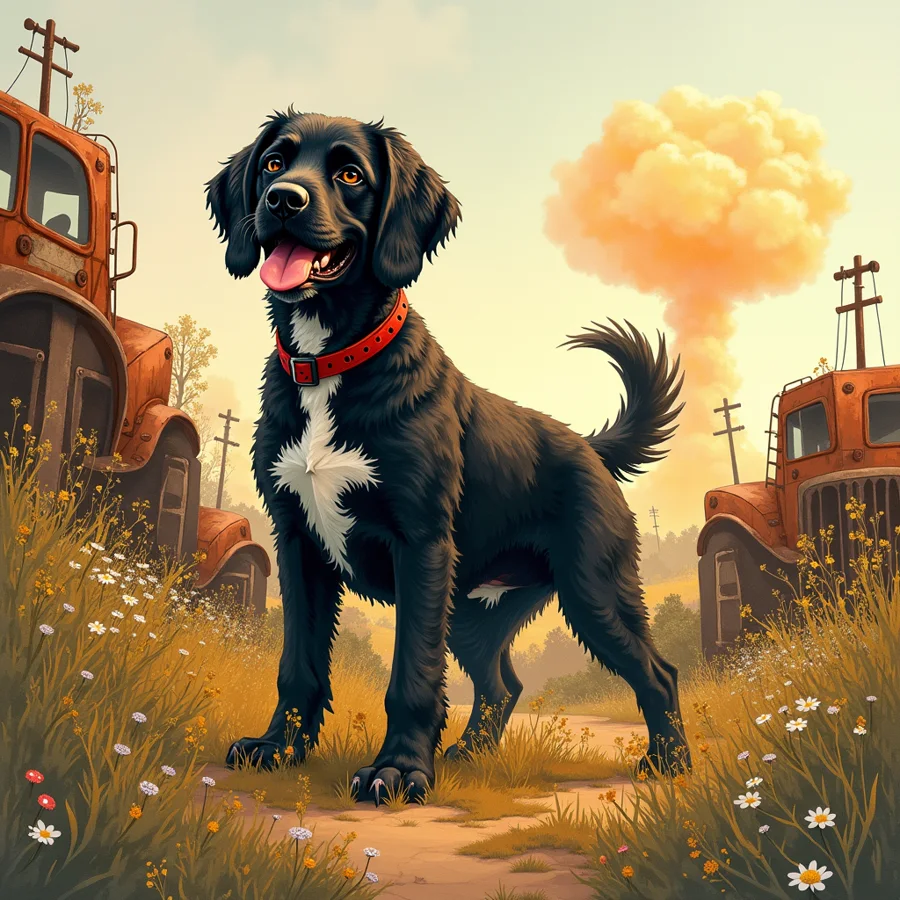
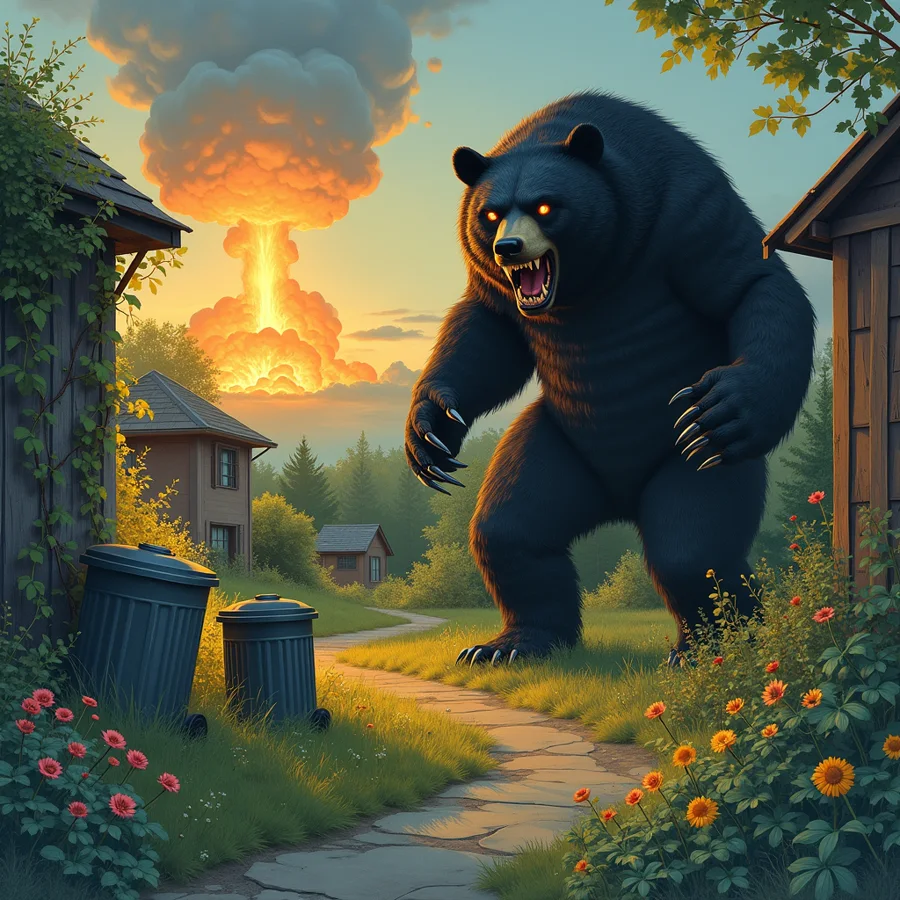
painter, and both are repainted in its style at once. same dog, same bear, eight ways
to see them. try it:
the photos in
your dogyour backyard 2:14AM
REALKEEP engine
// try it on one of our 8 painted styles
↓
minted into the bloomvale· storybook apocalypse
your dog, rebornbin bear, reborn
every image is a real render from the
game's own art pipeline — same dog, same bear, repainted by whichever painter you hand them
to. these eight are styles, not eight finished worlds: four campaigns are playable
today — strata deep, sorrowmoor cove, emberfall, and the last relay — and the rest are
painters we've built and not yet written worlds for.
how the painter works →
byom
bring your own brush.
the painters are swappable. realkeep is built so the diffusion model doing the painting
is one you bring and bless — license shown, official source, your click. no model weights
ship with the engine. and the licenses themselves are read, not skimmed:
the licence ledger
carries every one first-hand, dated, and re-read as they move.
and choosing a brush isn't guesswork. every candidate gets tested on real game content
and published with the receipts attached — checkpoint, sampler, steps, seed,
render-seconds. wins and losses both.
new: the new-arrivals diffusion bench → — thirteen fresh open-weight painters sit down in front of the cove; 3,588 renders, every licence read first-hand.
the dice
under the paint, a fair little rpg.
every world runs on the same honest engine. real dice, every roll shown with its
modifiers — no invisible math. you never do the math — you say what you want to do.
a natural 20 crits; a natural 1 fumbles, no matter who you
are. the art is the skin; this is the bones.
▮ ▮ ▮ THE DICE ARE VISIBLE · /debug roll
> attack bin bearyou attack: 1d20+5 [20] = 25 vs AC 13 — hit · crit↳ nat 20 — the weapon dice double, the modifier counts once (RAW-5e · ADR-0058) damage: 2d8+4 [7,6] = 17 damagethe bin bear reels — [██████░░░░] 24 / 41 hp(this is the /debug lens the game ships — every number above is checkable.)
that's one roll, shown in full; a whole fight rolls live in the
deep dive →
the long memory
and the world remembers all of it.
nothing in these worlds is scripted to remember you. it just does — because everything
that happens becomes an event, and everyone nearby carries it. news walks from region to
region. npc letters take real days on the road — about a day per hop, and the hops are real.
opinions compound. time passes whether you're there or not.
day 3 · the cracked keel
> good evening garrongarron tarrow: evening yourself. corner table's yours — same as the last three nights.> you keep count?garron tarrow: the room does. and you still owe halar kestrel for that lantern oil, by the way.
day 9 · the ferry landing
> brisa, i finally took down the bin bear :Dbrisa lune: heard before your boots hit the dock. the whole cove heard.> it roared.brisa lune: of course it did. sing it to me and i'll carry it up the coast.
day 23 · a knock at dawn
nessa cole: letter for you. carried it four days, so make it worth my boots.> read letter"heard about the bear. mother wants the claw.
— jo"
and jo — the letter's jo — isn't an npc. she's another human, living in the same
world. that's the other half of this: it's multiplayer. parties of up to four,
a /join that pulls a friend into your fight, one shared world underneath — two
humans, a desktop and an iPad in one party at one table: shipped, proven live, dated in
the ledger. an iPad is a full seat here — the whole game plays in
the browser.
RealKeep v1 was written over thirty years ago, in BASIC, by a kid who wanted a text
adventure that remembered what you did. It was spaghetti and GOTOs and it never quite
worked. It took three decades, a career, and a fleet of AI agents to finish it —
and the world finally remembers.
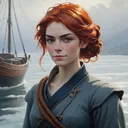
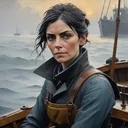
garron, brisa, and nessa are real npcs from
sorrowmoor cove — our own playtest campaign — and the little portraits are the
game's actual renders of them. the machinery under these scenes ships: name memory, news
that walks region to region, and the npc letter carrier that really does spend about a day
per hop. one thing here runs ahead of the build — jo's letter. player-to-player mail
is sealed, carried, capped and read today, but only inside your own crew, and it lands in
about a minute rather than on the carrier's slow roads. there is no compose screen in the
client yet, so today you read a crew letter rather than write one.